
Do Customers Even Like AI Messages? What the Evidence Suggests
Do Customers Even Like AI Messages? What the Evidence Suggests
Do Customers Even Like AI Messages? What the Evidence Suggests
The answer is more nuanced than either AI enthusiasts or AI sceptics typically want it to be. Customers do not universally love AI messages and they do not universally hate them. Their preference is situational, and the situations where automated responses consistently perform well are largely the situations that appointment businesses face most often. What customers want, in almost every service context, is a fast, accurate, relevant response that helps them get what they came for. Whether that response was produced by a human or a system is a secondary concern that most customers never think about consciously unless something goes wrong. This post looks honestly at what customer preferences actually look like in practice, where automated responses genuinely outperform human ones, where they do not and how to test your own system without putting your reputation at risk.
What Customer Preferences Actually Look Like
The most consistent finding across customer experience research is that speed is the dominant priority in the initial response stage of a service interaction. A customer who has sent a message wants to know it has been received and that a useful reply is coming. The difference in their experience between a two-minute response and a two-hour response is vastly larger than the difference between a two-minute human response and a two-minute automated one.
This is not a new insight. It reflects something fundamental about the psychology of waiting. When someone is in an active enquiry state, having submitted a form or sent a message, the period of silence before the first reply is experienced as uncertainty. Uncertainty is uncomfortable and it prompts action, usually the action of making contact with an alternative provider. A fast response ends the uncertainty. It signals that the enquiry has landed somewhere and is being attended to. Whether a human or a system produced the signal matters less than the fact that the signal arrived.
What Customer Preferences Actually Look Like
The most consistent finding across customer experience research is that speed is the dominant priority in the initial response stage of a service interaction. A customer who has sent a message wants to know it has been received and that a useful reply is coming. The difference in their experience between a two-minute response and a two-hour response is vastly larger than the difference between a two-minute human response and a two-minute automated one.
This is not a new insight. It reflects something fundamental about the psychology of waiting. When someone is in an active enquiry state, having submitted a form or sent a message, the period of silence before the first reply is experienced as uncertainty. Uncertainty is uncomfortable and it prompts action, usually the action of making contact with an alternative provider. A fast response ends the uncertainty. It signals that the enquiry has landed somewhere and is being attended to. Whether a human or a system produced the signal matters less than the fact that the signal arrived.
What Customer Preferences Actually Look Like
The most consistent finding across customer experience research is that speed is the dominant priority in the initial response stage of a service interaction. A customer who has sent a message wants to know it has been received and that a useful reply is coming. The difference in their experience between a two-minute response and a two-hour response is vastly larger than the difference between a two-minute human response and a two-minute automated one.
This is not a new insight. It reflects something fundamental about the psychology of waiting. When someone is in an active enquiry state, having submitted a form or sent a message, the period of silence before the first reply is experienced as uncertainty. Uncertainty is uncomfortable and it prompts action, usually the action of making contact with an alternative provider. A fast response ends the uncertainty. It signals that the enquiry has landed somewhere and is being attended to. Whether a human or a system produced the signal matters less than the fact that the signal arrived.
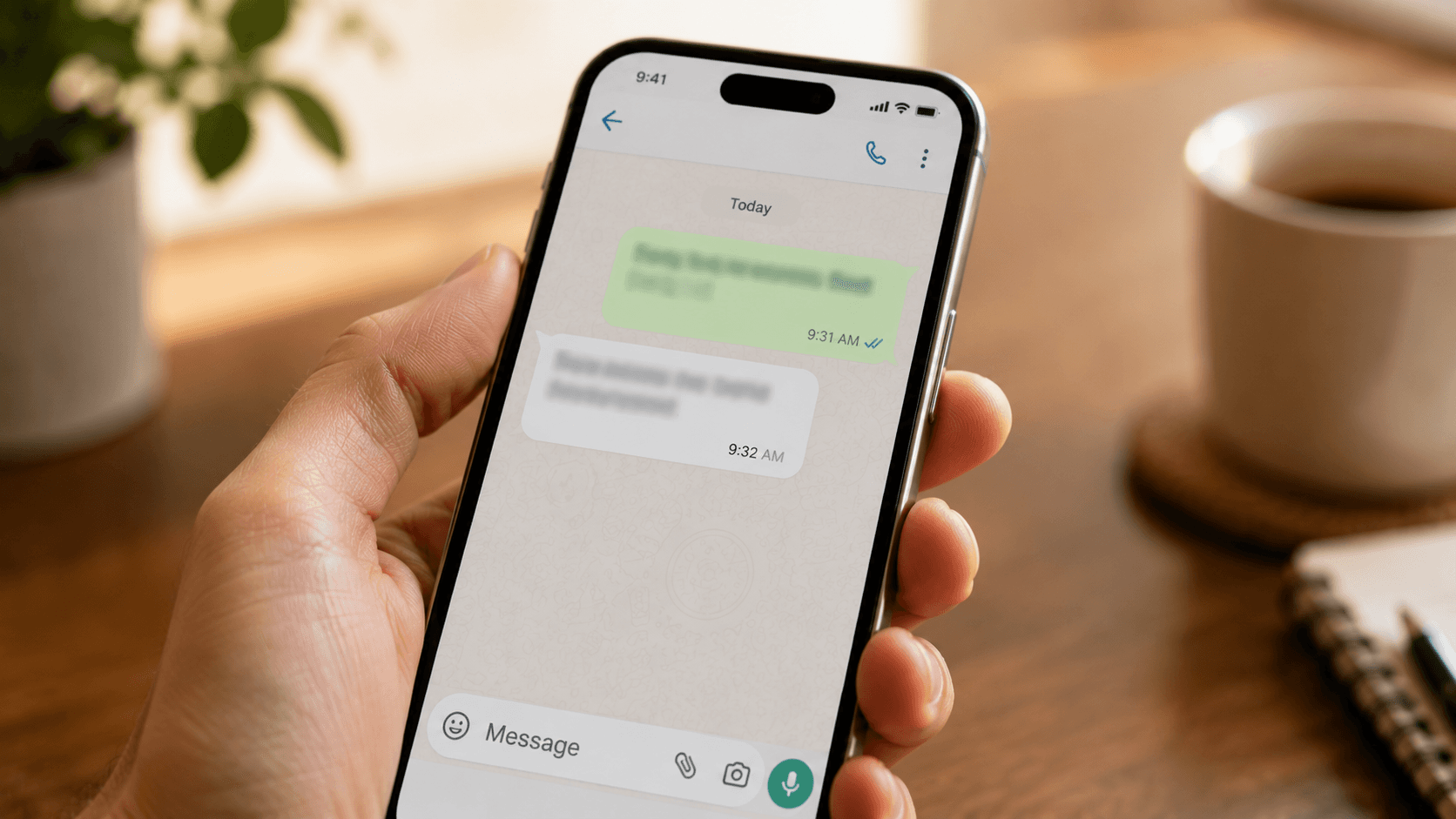
The implication for appointment businesses is significant. A well-configured automated first reply that arrives within two minutes is likely to be more positively received by most clients than a carefully crafted human reply that arrives 40 minutes later. The quality of the automated reply matters. But it is starting from a position of advantage because speed itself has already satisfied the most pressing need the client had in that moment.
The implication for appointment businesses is significant. A well-configured automated first reply that arrives within two minutes is likely to be more positively received by most clients than a carefully crafted human reply that arrives 40 minutes later. The quality of the automated reply matters. But it is starting from a position of advantage because speed itself has already satisfied the most pressing need the client had in that moment.
When Customers Prefer Speed Over Perfection
The scenarios where speed consistently outweighs perfect execution in customer preference are well-defined.
Missed call recovery
A client who called and did not get an answer is in a state of mild frustration. A WhatsApp message that arrives within 60 seconds acknowledging the missed call and asking a helpful opening question resolves that frustration quickly. The client did not need a perfect response. They needed confirmation that their attempt to make contact had been noticed.
After-hours enquiry acknowledgement
A client who submits a form at 9pm knows they are unlikely to speak to a human until the following morning. An immediate automated acknowledgement that confirms receipt and sets an expectation is not competing with a human response. It is filling a void that would otherwise be completely empty. Customers consistently prefer the immediate automated acknowledgement to silence, even when they understand they will hear from a person in the morning.
Appointment reminders
A reminder that arrives on time, contains accurate information and includes the relevant practical details is valued for its accuracy and timing, not for its human authorship. Whether a person or a system sent the reminder has no bearing on whether the client shows up for the appointment.
When Customers Prefer Speed Over Perfection
The scenarios where speed consistently outweighs perfect execution in customer preference are well-defined.
Missed call recovery
A client who called and did not get an answer is in a state of mild frustration. A WhatsApp message that arrives within 60 seconds acknowledging the missed call and asking a helpful opening question resolves that frustration quickly. The client did not need a perfect response. They needed confirmation that their attempt to make contact had been noticed.
After-hours enquiry acknowledgement
A client who submits a form at 9pm knows they are unlikely to speak to a human until the following morning. An immediate automated acknowledgement that confirms receipt and sets an expectation is not competing with a human response. It is filling a void that would otherwise be completely empty. Customers consistently prefer the immediate automated acknowledgement to silence, even when they understand they will hear from a person in the morning.
Appointment reminders
A reminder that arrives on time, contains accurate information and includes the relevant practical details is valued for its accuracy and timing, not for its human authorship. Whether a person or a system sent the reminder has no bearing on whether the client shows up for the appointment.
When Customers Prefer Speed Over Perfection
The scenarios where speed consistently outweighs perfect execution in customer preference are well-defined.
Missed call recovery
A client who called and did not get an answer is in a state of mild frustration. A WhatsApp message that arrives within 60 seconds acknowledging the missed call and asking a helpful opening question resolves that frustration quickly. The client did not need a perfect response. They needed confirmation that their attempt to make contact had been noticed.
After-hours enquiry acknowledgement
A client who submits a form at 9pm knows they are unlikely to speak to a human until the following morning. An immediate automated acknowledgement that confirms receipt and sets an expectation is not competing with a human response. It is filling a void that would otherwise be completely empty. Customers consistently prefer the immediate automated acknowledgement to silence, even when they understand they will hear from a person in the morning.
Appointment reminders
A reminder that arrives on time, contains accurate information and includes the relevant practical details is valued for its accuracy and timing, not for its human authorship. Whether a person or a system sent the reminder has no bearing on whether the client shows up for the appointment.
Simple FAQ responses - Questions about opening hours, booking availability, service pricing ranges and how to get to the clinic are responded to faster and more consistently by a well-configured automated system than by a human who has ten other things happening simultaneously. Customers who ask these questions want the information. They are not seeking a relationship in those specific moments.
Simple FAQ responses - Questions about opening hours, booking availability, service pricing ranges and how to get to the clinic are responded to faster and more consistently by a well-configured automated system than by a human who has ten other things happening simultaneously. Customers who ask these questions want the information. They are not seeking a relationship in those specific moments.

Which Scenarios AI Does Not Fit
The honest picture includes the situations where automated responses consistently underperform human ones.
Complaints and expressions of dissatisfaction
A client who is unhappy about something wants to feel heard by a person who understands what went wrong and is taking it seriously. An automated response to a complaint, however warm, signals that the business has not yet applied human judgment to the situation. This is one of the clearest scenarios in customer preference research where human involvement is strongly preferred and automation actively damages the outcome.
Complex or highly personal decisions
A client considering a significant aesthetic treatment, a high-value travel itinerary or a complex protection package for a prized vehicle is making a considered decision that involves personal goals, anxieties and priorities. The consultation that helps them make that decision needs a human with expertise, empathy and genuine interest. Automation can qualify, route and prepare. It cannot hold the space for a high-stakes personal conversation.
Moments requiring judgment about the client's specific situation
A client who describes a situation that falls outside the standard parameters of the service, an unusual medical history, a specific combination of requirements that does not map to a standard package, needs a response that demonstrates actual understanding of their specific situation. This requires human judgment that a configured automation system does not have.
When a client directly requests a human interaction
Preferences research consistently shows that customers who ask for a human and receive continued automation report significantly more negative experiences than those who receive a neutral automated interaction in the first place. The automated experience becomes negative specifically because the client's explicit preference was disregarded.
How to Test Without Risking Your Reputation
Testing customer response to automated messages in a live setting does not require risking the client relationships that the business depends on. A structured, low-risk testing approach works through three stages.
Internal review before going live
The system is tested by people who know the business and know the clients: the owner, senior team members and ideally a few trusted clients who are willing to provide candid feedback. This is not a controlled experiment. It is a quality check that catches obvious problems before any real client is affected.
Soft launch on a single channel
The system goes live on one channel, typically missed call recovery, where the stakes of a failure are relatively low. The client has already experienced a missed call, so they are not starting from a position of full satisfaction. An automated follow-up that is warm and relevant recovers the situation. One that is obviously mechanical produces a neutral to mildly negative outcome. The risk is contained and the learning is real.
Monitoring the first 30 days of conversations
The same monthly review process from Blog 43 applied specifically to client response patterns: are clients engaging with the automated messages or ignoring them? Are they completing the qualification flow? Are there patterns of confusion or frustration in the conversation logs? This review identifies the adjustments needed without requiring a formal survey or research methodology.
The reputation risk of a well-designed and monitored test is low. The risk of never testing and operating either without automation (slow responses, missed leads) or with unmonitored automation (invisible failures running unchecked) is consistently higher.
Which Scenarios AI Does Not Fit
The honest picture includes the situations where automated responses consistently underperform human ones.
Complaints and expressions of dissatisfaction
A client who is unhappy about something wants to feel heard by a person who understands what went wrong and is taking it seriously. An automated response to a complaint, however warm, signals that the business has not yet applied human judgment to the situation. This is one of the clearest scenarios in customer preference research where human involvement is strongly preferred and automation actively damages the outcome.
Complex or highly personal decisions
A client considering a significant aesthetic treatment, a high-value travel itinerary or a complex protection package for a prized vehicle is making a considered decision that involves personal goals, anxieties and priorities. The consultation that helps them make that decision needs a human with expertise, empathy and genuine interest. Automation can qualify, route and prepare. It cannot hold the space for a high-stakes personal conversation.
Moments requiring judgment about the client's specific situation
A client who describes a situation that falls outside the standard parameters of the service, an unusual medical history, a specific combination of requirements that does not map to a standard package, needs a response that demonstrates actual understanding of their specific situation. This requires human judgment that a configured automation system does not have.
When a client directly requests a human interaction
Preferences research consistently shows that customers who ask for a human and receive continued automation report significantly more negative experiences than those who receive a neutral automated interaction in the first place. The automated experience becomes negative specifically because the client's explicit preference was disregarded.
How to Test Without Risking Your Reputation
Testing customer response to automated messages in a live setting does not require risking the client relationships that the business depends on. A structured, low-risk testing approach works through three stages.
Internal review before going live
The system is tested by people who know the business and know the clients: the owner, senior team members and ideally a few trusted clients who are willing to provide candid feedback. This is not a controlled experiment. It is a quality check that catches obvious problems before any real client is affected.
Soft launch on a single channel
The system goes live on one channel, typically missed call recovery, where the stakes of a failure are relatively low. The client has already experienced a missed call, so they are not starting from a position of full satisfaction. An automated follow-up that is warm and relevant recovers the situation. One that is obviously mechanical produces a neutral to mildly negative outcome. The risk is contained and the learning is real.
Monitoring the first 30 days of conversations
The same monthly review process from Blog 43 applied specifically to client response patterns: are clients engaging with the automated messages or ignoring them? Are they completing the qualification flow? Are there patterns of confusion or frustration in the conversation logs? This review identifies the adjustments needed without requiring a formal survey or research methodology.
The reputation risk of a well-designed and monitored test is low. The risk of never testing and operating either without automation (slow responses, missed leads) or with unmonitored automation (invisible failures running unchecked) is consistently higher.
Which Scenarios AI Does Not Fit
The honest picture includes the situations where automated responses consistently underperform human ones.
Complaints and expressions of dissatisfaction
A client who is unhappy about something wants to feel heard by a person who understands what went wrong and is taking it seriously. An automated response to a complaint, however warm, signals that the business has not yet applied human judgment to the situation. This is one of the clearest scenarios in customer preference research where human involvement is strongly preferred and automation actively damages the outcome.
Complex or highly personal decisions
A client considering a significant aesthetic treatment, a high-value travel itinerary or a complex protection package for a prized vehicle is making a considered decision that involves personal goals, anxieties and priorities. The consultation that helps them make that decision needs a human with expertise, empathy and genuine interest. Automation can qualify, route and prepare. It cannot hold the space for a high-stakes personal conversation.
Moments requiring judgment about the client's specific situation
A client who describes a situation that falls outside the standard parameters of the service, an unusual medical history, a specific combination of requirements that does not map to a standard package, needs a response that demonstrates actual understanding of their specific situation. This requires human judgment that a configured automation system does not have.
When a client directly requests a human interaction
Preferences research consistently shows that customers who ask for a human and receive continued automation report significantly more negative experiences than those who receive a neutral automated interaction in the first place. The automated experience becomes negative specifically because the client's explicit preference was disregarded.
How to Test Without Risking Your Reputation
Testing customer response to automated messages in a live setting does not require risking the client relationships that the business depends on. A structured, low-risk testing approach works through three stages.
Internal review before going live
The system is tested by people who know the business and know the clients: the owner, senior team members and ideally a few trusted clients who are willing to provide candid feedback. This is not a controlled experiment. It is a quality check that catches obvious problems before any real client is affected.
Soft launch on a single channel
The system goes live on one channel, typically missed call recovery, where the stakes of a failure are relatively low. The client has already experienced a missed call, so they are not starting from a position of full satisfaction. An automated follow-up that is warm and relevant recovers the situation. One that is obviously mechanical produces a neutral to mildly negative outcome. The risk is contained and the learning is real.
Monitoring the first 30 days of conversations
The same monthly review process from Blog 43 applied specifically to client response patterns: are clients engaging with the automated messages or ignoring them? Are they completing the qualification flow? Are there patterns of confusion or frustration in the conversation logs? This review identifies the adjustments needed without requiring a formal survey or research methodology.
The reputation risk of a well-designed and monitored test is low. The risk of never testing and operating either without automation (slow responses, missed leads) or with unmonitored automation (invisible failures running unchecked) is consistently higher.

What This Means for Appointment Businesses Specifically
The practical synthesis for appointment businesses is a clear and workable one. Automated responses are well-received, and often preferred, when they are fast, relevant, specific to the client's enquiry and used in the scenarios where speed and consistency are the primary needs. Human responses are preferred, and necessary, when the interaction requires genuine understanding, emotional sensitivity, expertise or judgment.
The scenarios that most appointment businesses need to handle most frequently, the initial response to an enquiry, the qualification conversation, the reminder and the post-appointment follow-up, are all in the first category. The scenarios that require human involvement, the complex consultation, the complaint, the judgment call about a bespoke requirement, are all in the second category.
A well-configured Powerful AI Helper operates in the first category and routes cleanly to a human for the second. The client experience across the full journey is faster at the points where speed matters most and more attentive at the points where human quality matters most. That is not a compromise between technology and service quality. It is how both are maximised simultaneously.
What This Means for Appointment Businesses Specifically
The practical synthesis for appointment businesses is a clear and workable one. Automated responses are well-received, and often preferred, when they are fast, relevant, specific to the client's enquiry and used in the scenarios where speed and consistency are the primary needs. Human responses are preferred, and necessary, when the interaction requires genuine understanding, emotional sensitivity, expertise or judgment.
The scenarios that most appointment businesses need to handle most frequently, the initial response to an enquiry, the qualification conversation, the reminder and the post-appointment follow-up, are all in the first category. The scenarios that require human involvement, the complex consultation, the complaint, the judgment call about a bespoke requirement, are all in the second category.
A well-configured Powerful AI Helper operates in the first category and routes cleanly to a human for the second. The client experience across the full journey is faster at the points where speed matters most and more attentive at the points where human quality matters most. That is not a compromise between technology and service quality. It is how both are maximised simultaneously.
What This Means for Appointment Businesses Specifically
The practical synthesis for appointment businesses is a clear and workable one. Automated responses are well-received, and often preferred, when they are fast, relevant, specific to the client's enquiry and used in the scenarios where speed and consistency are the primary needs. Human responses are preferred, and necessary, when the interaction requires genuine understanding, emotional sensitivity, expertise or judgment.
The scenarios that most appointment businesses need to handle most frequently, the initial response to an enquiry, the qualification conversation, the reminder and the post-appointment follow-up, are all in the first category. The scenarios that require human involvement, the complex consultation, the complaint, the judgment call about a bespoke requirement, are all in the second category.
A well-configured Powerful AI Helper operates in the first category and routes cleanly to a human for the second. The client experience across the full journey is faster at the points where speed matters most and more attentive at the points where human quality matters most. That is not a compromise between technology and service quality. It is how both are maximised simultaneously.
FAQ
Is there any evidence that customers dislike knowing AI was involved in their interaction?
Customer reaction to AI involvement is primarily determined by the quality of the interaction rather than the knowledge of the mechanism. Clients who had a positive, helpful experience do not typically become retroactively negative when they learn it was AI-assisted. Clients who had a confusing or unhelpful experience will cite the AI involvement as a contributing factor regardless of whether automation was the actual cause.
Do older client demographics respond differently to automated messages?
There are generational differences in comfort with automated interactions, but they are smaller than often assumed. The primary determinant of preference across age groups remains the quality of the interaction. A warm, relevant, specific automated message is well-received across age groups. A generic, obviously mechanical one is poorly received across all of them.
How do we know if clients are having a negative automated experience?
The clearest signals are: low response rates to qualification questions, high drop-off at specific points in the flow, direct complaints about the messaging experience, requests for human contact mid-automation and lower-than-expected booking conversion from the automated channels. Any of these signals should trigger a review of the conversation logs for the affected period.
Should we survey clients about their experience with the automated system?
A short, optional post-appointment survey that includes one or two questions about communication experience provides useful directional data without creating survey fatigue. Keeping it brief and optional produces higher response rates and more candid feedback than a lengthy mandatory questionnaire.
FAQ
Is there any evidence that customers dislike knowing AI was involved in their interaction?
Customer reaction to AI involvement is primarily determined by the quality of the interaction rather than the knowledge of the mechanism. Clients who had a positive, helpful experience do not typically become retroactively negative when they learn it was AI-assisted. Clients who had a confusing or unhelpful experience will cite the AI involvement as a contributing factor regardless of whether automation was the actual cause.
Do older client demographics respond differently to automated messages?
There are generational differences in comfort with automated interactions, but they are smaller than often assumed. The primary determinant of preference across age groups remains the quality of the interaction. A warm, relevant, specific automated message is well-received across age groups. A generic, obviously mechanical one is poorly received across all of them.
How do we know if clients are having a negative automated experience?
The clearest signals are: low response rates to qualification questions, high drop-off at specific points in the flow, direct complaints about the messaging experience, requests for human contact mid-automation and lower-than-expected booking conversion from the automated channels. Any of these signals should trigger a review of the conversation logs for the affected period.
Should we survey clients about their experience with the automated system?
A short, optional post-appointment survey that includes one or two questions about communication experience provides useful directional data without creating survey fatigue. Keeping it brief and optional produces higher response rates and more candid feedback than a lengthy mandatory questionnaire.
FAQ
Is there any evidence that customers dislike knowing AI was involved in their interaction?
Customer reaction to AI involvement is primarily determined by the quality of the interaction rather than the knowledge of the mechanism. Clients who had a positive, helpful experience do not typically become retroactively negative when they learn it was AI-assisted. Clients who had a confusing or unhelpful experience will cite the AI involvement as a contributing factor regardless of whether automation was the actual cause.
Do older client demographics respond differently to automated messages?
There are generational differences in comfort with automated interactions, but they are smaller than often assumed. The primary determinant of preference across age groups remains the quality of the interaction. A warm, relevant, specific automated message is well-received across age groups. A generic, obviously mechanical one is poorly received across all of them.
How do we know if clients are having a negative automated experience?
The clearest signals are: low response rates to qualification questions, high drop-off at specific points in the flow, direct complaints about the messaging experience, requests for human contact mid-automation and lower-than-expected booking conversion from the automated channels. Any of these signals should trigger a review of the conversation logs for the affected period.
Should we survey clients about their experience with the automated system?
A short, optional post-appointment survey that includes one or two questions about communication experience provides useful directional data without creating survey fatigue. Keeping it brief and optional produces higher response rates and more candid feedback than a lengthy mandatory questionnaire.